A massive playground of a million people, a record of revisiting Yongin after 10 years
Beyond the memories of amusement parks, discover the true side of Yongin where deep forests and trendy cafes coexist.
Let Me Introduce This City
Yongin is a city with a massive population exceeding one million. While it may hold memories of childhood school trips for some, exploring its alleys reveals an exquisite blend of modern cultural spaces and serene nature. It is packed with satisfying options for anyone planning a weekend outing.
The Path This City Has Walked
A vital transportation hub since the Joseon Dynasty, Yongin is deeply imbued with historical traces. It is also the historic site where the victory of the Battle of Choinseong resounded during the Japanese invasions of Korea. It has the charm of an uncanny coexistence between past and present, where you might walk along ancient footsteps only to suddenly encounter sleek, modern buildings.
Must-Visit Places
From iconic landmarks that instantly come to mind when thinking of Yongin to quiet spots perfect for contemplation, I have handpicked the places I walked through and loved. The scenery changes dramatically with every season, so you can always experience something new whenever you visit.
Korea's largest theme park, where you can enjoy thrilling attractions and beautiful seasonal garden festivals.
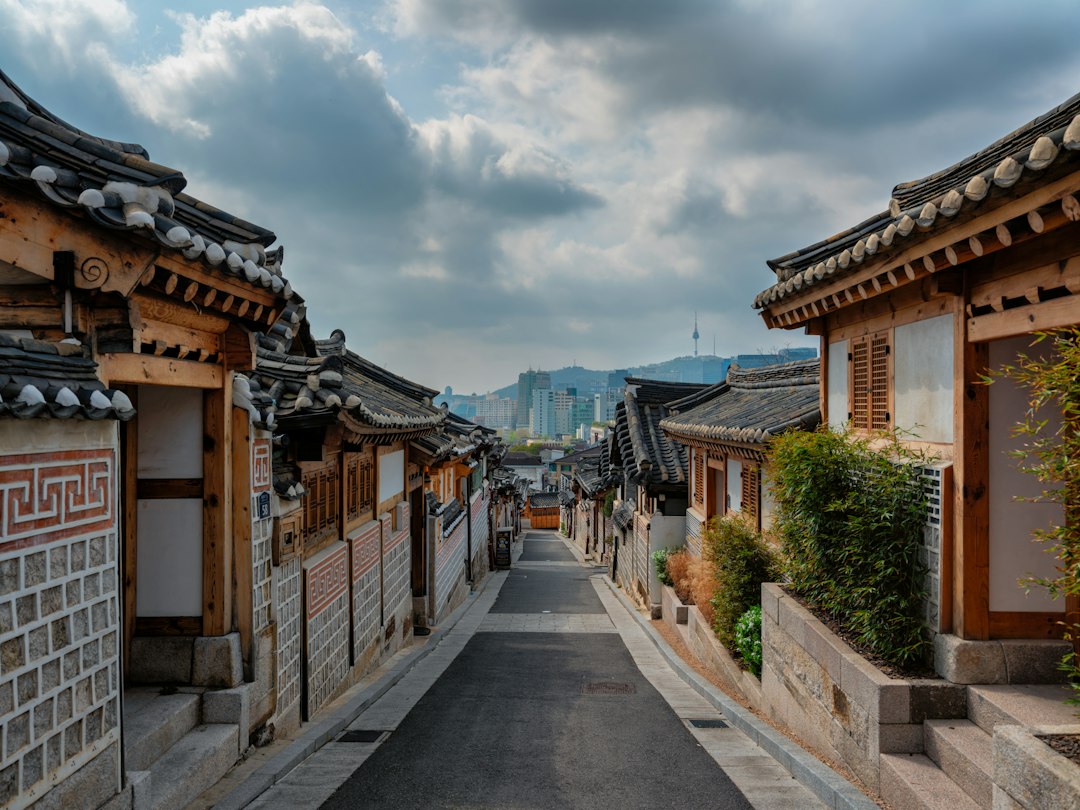
A place that preserves the autumn scenery of the Joseon Dynasty, where you can observe traditional houses and entertaining performances by Joseon-era characters.
A tranquil resting place greeted by colorful flowers and thatched pavilions, making it a truly wonderful space to escape the city and take a leisurely stroll.
An emotional recharging station where you can simultaneously appreciate the classic scenery of the traditional Korean garden 'Huiwon' and high-level art pieces.
A cozy temple offering an exotic atmosphere created by massive Buddha statues rarely seen elsewhere and unique Buddhist art pieces.
Nature Enveloping the City
You might think a city of over a million people would only be filled with buildings, right? But if you shift your gaze just a little, mountains with gentle ridges and sparkling reservoirs cozily wrap around the city. On weekends, it overflows with vitality as citizens come out to enjoy light hiking or walking along forest trails.
The Taste and Style of This City
Yongin's Cheoin-gu, Giheung-gu, and Suji-gu all have different atmospheres, making exploration quite fun. Heading towards Cheoin-gu gives you a cozy rural feel, while Suji-gu and Giheung-gu are lined with trendy cafe streets and restaurants. Especially when local festivals like the Choinseong Cultural Festival are held, you can catch a glimpse of a vibrant scene where tradition and modernity blend together.
Local-Favorite Eateries
Rather than flashy tourist restaurants, there is a distinct joy in hunting down local eateries that have been loved by residents for a long time. From carefully prepared dining tables made with fresh ingredients to light market street foods, these are places that will delight your palate.
A market with a long history in downtown Yongin, where you can taste chewy jokbal (pig's trotters) and cost-effective bunshik (snack foods).
Considered the originator of perilla oil makguksu (buckwheat noodles), this famous restaurant always has long lines thanks to its clean and nutty flavor.
Located near the Korean Folk Village, this is a cluster of restaurants where you can heartily enjoy hearty traditional foods like pajeon (scallion pancakes) and makgeolli (rice wine).
Good to Know Before Traveling
Since Yongin is quite large in area, it is best to check in advance whether your destination is in Cheoin-gu or Giheung/Suji-gu before planning your route. Using the Everline subway (light rail) allows you to comfortably travel to major attractions while enjoying the scenery outside the window, so public transportation is highly recommended.
Essential for using Yongin buses and light rail
Access via Suwon Station or train stations
Check usage of Yongin Public Bus Terminal
Official tourism info and festival schedules
Municipal news and public facility guides