A Week in Gwangju, a City of Etiquette with 1.44 Million Residents
This is a story of Gwangju, where the essence of Namdo flavors and the energy of Mudeungsan Mountain pile up layer by layer, warming your heart wherever your steps take you.
Let me introduce you to this city
Gwangju Metropolitan City, where about 1.44 million people breathe, truly lives up to its reputation as a home of art and flavors. Modern traces and contemporary culture and art blend naturally throughout the city, making you feel enriched just by walking around. It is the perfect place for travelers who want to feel leisure and warm hospitality instead of the stifling feeling of a bustling metropolis.
The path this city has walked
Since ancient times, Gwangju has been the center of Namdo and a place where culture and righteous spirit breathe. Especially when walking through old neighborhoods like Yangnim-dong (양림동), historical buildings left by missionaries 100 years ago and traditional houses create a unique harmony. Strolling slowly through the alleyways where the past and present are stacked layer by layer, you can naturally experience the weight of deep time that this city holds.
Must-visit places
The highlight of traveling to Gwangju is undoubtedly the points where nature and history meet. From majestic mountain ranges to cozy traditional houses, landscapes that make you reach for your camera await you wherever you go. I've carefully selected only the places I walked through and marveled at myself.
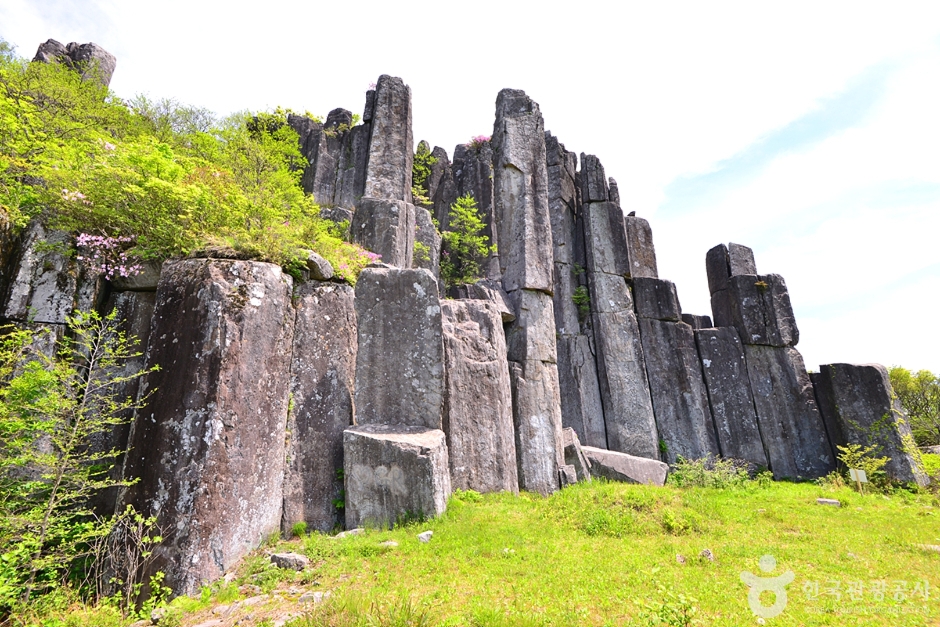
한국관광공사Search →A spectacular place where cubic stone pillars shaped by tens of millions of years create a magnificent view, and the scenery looking down from the summit is superb.
 한국관광공사Search →
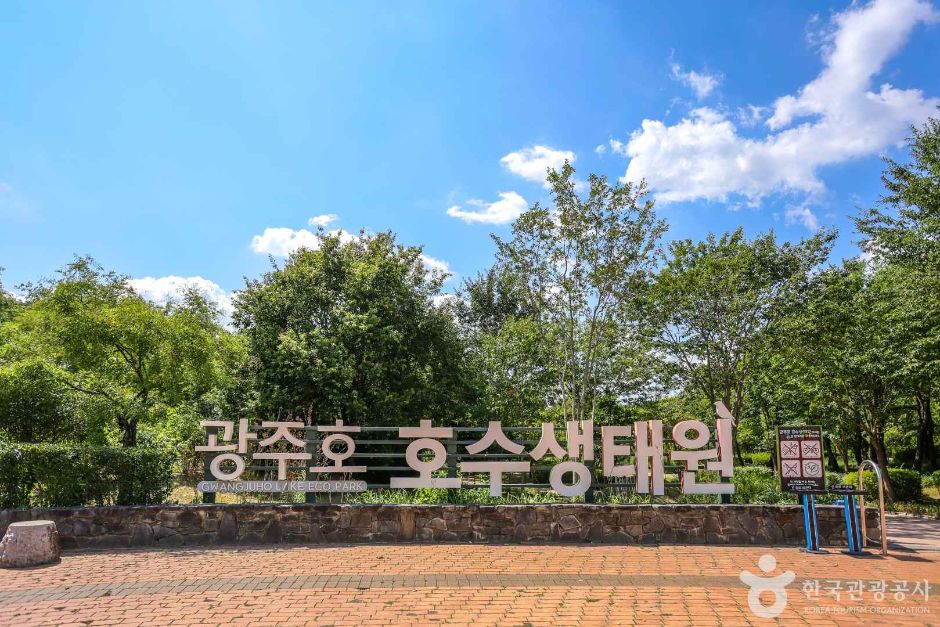
A hidden healing spot where you can take a quiet walk while watching the sky and surrounding mountain ranges reflected on the calm water surface.
 한국관광공사Search →
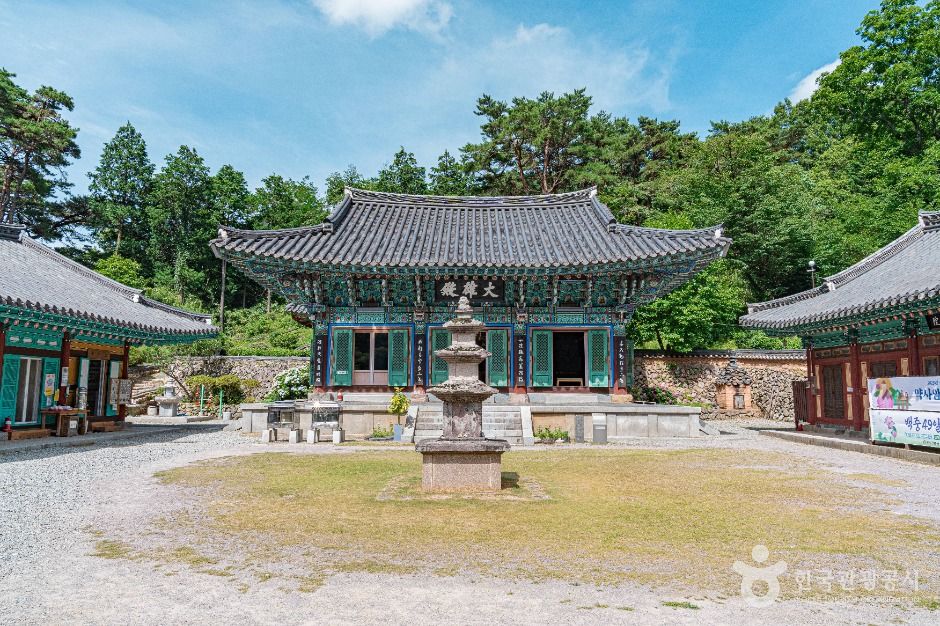
Located at the entrance of the Mudeungsan Mountain hiking trail, it is a great place to quietly enjoy the temple scenery and calm your mind.
 한국관광공사Search →
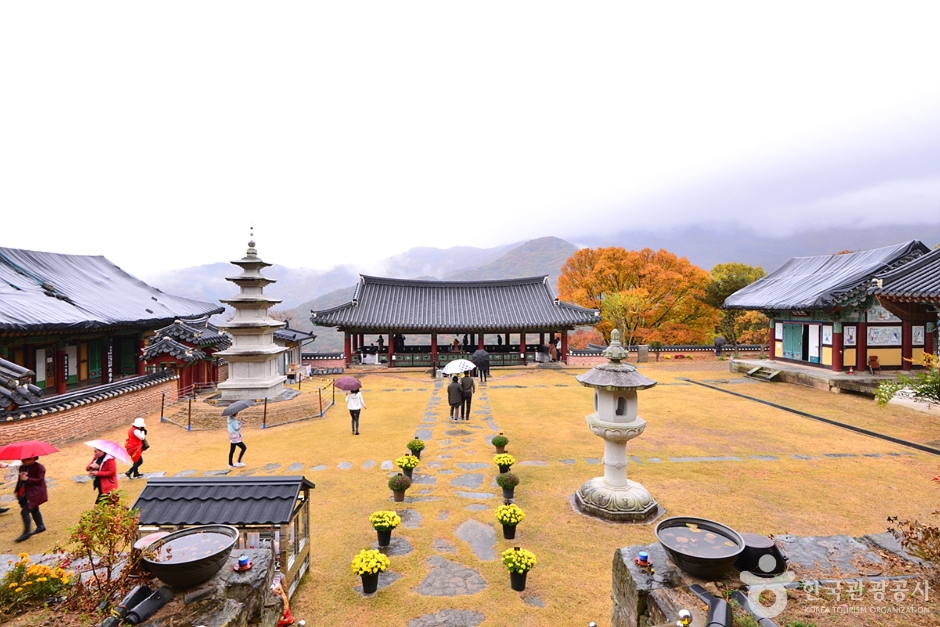
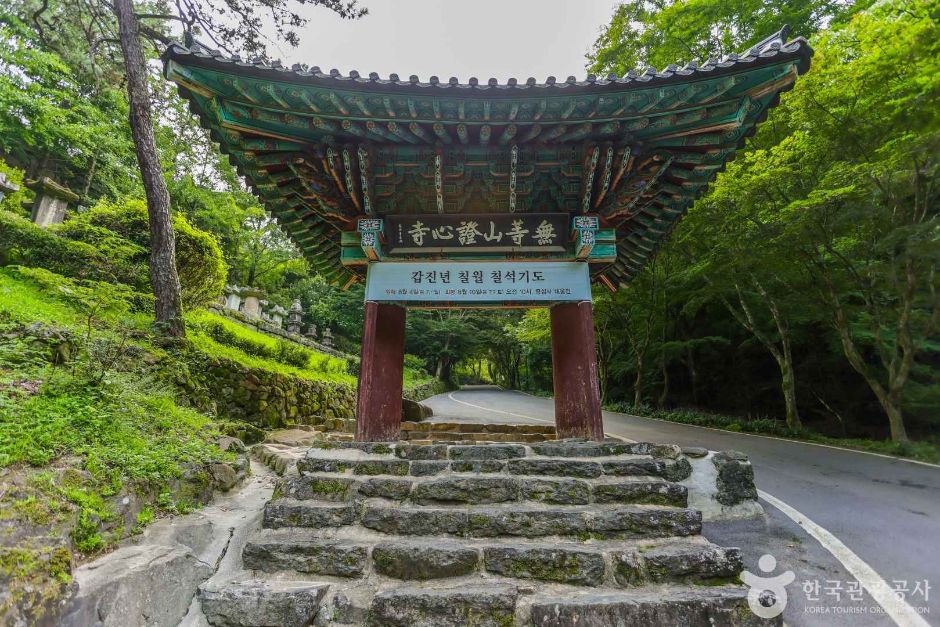
Combining a long history and a deep forest atmosphere, you can feel the cozy charm of a mountain temple whenever you visit in any season.
 한국관광공사Search →
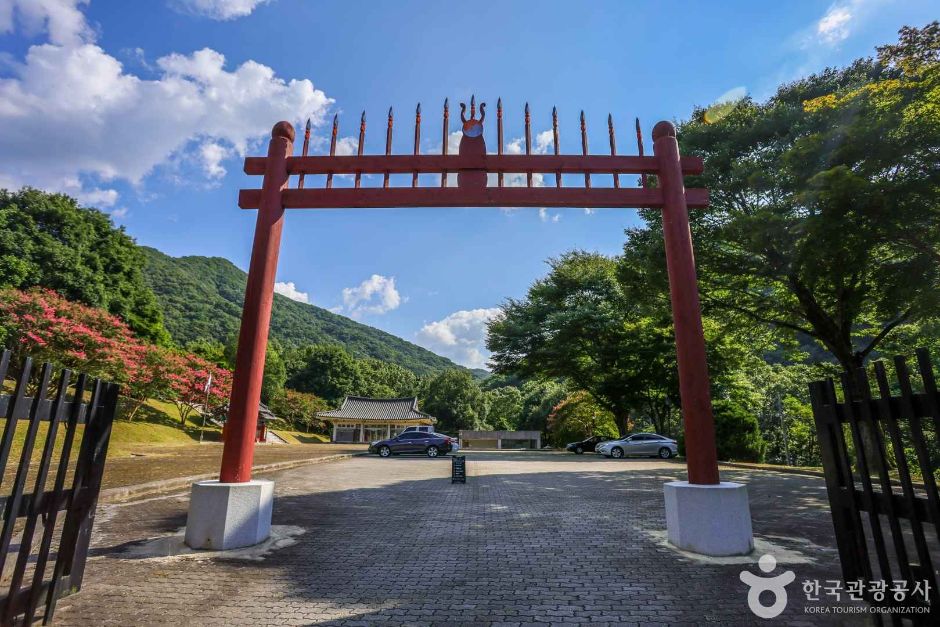
A famous temple nestled at the foot of Mudeungsan Mountain, with well-maintained forest paths leading up, making it ideal for a light trekking course.
 한국관광공사Search →
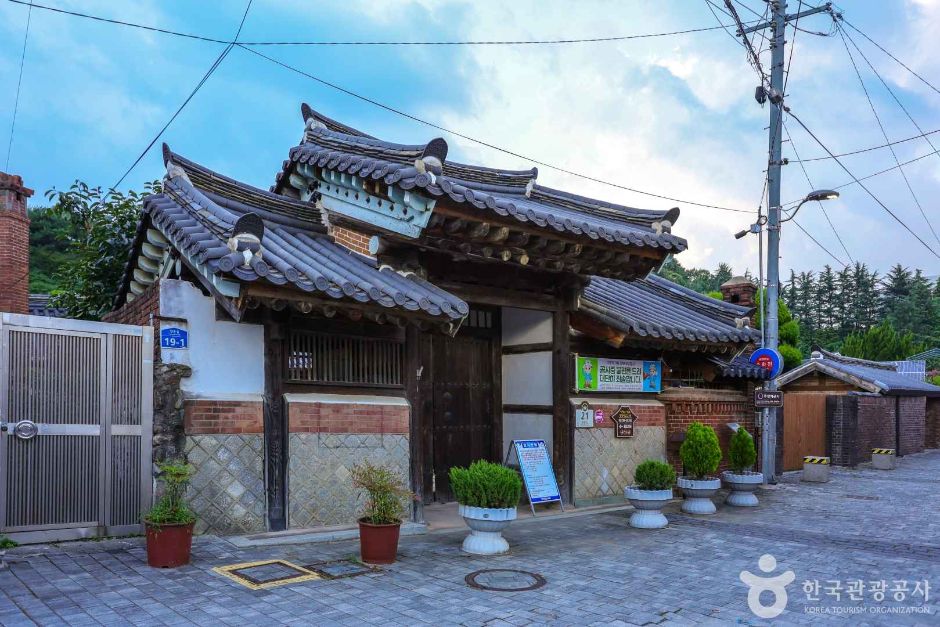
A shrine enshrining loyal subjects during the Japanese invasions of Korea, it is a space where you can calmly trace the remnants of history.
 한국관광공사Search →
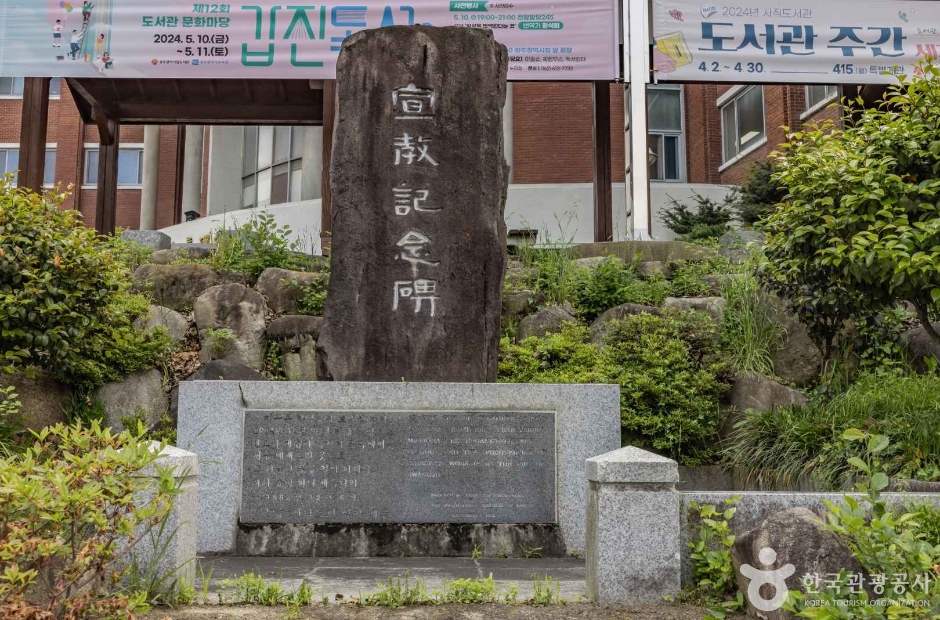
A traditional Hanok located in Yangnim-dong, Nam-gu, where you can closely examine the architectural aesthetics of old Yangban families.
 한국관광공사Search →
A meaningful place commemorating the footsteps of missionaries who contributed to the modern opening of Gwangju and the development of medicine and education.
Nature surrounding the city
Gwangju has Mudeungsan Mountain, known as the mother mountain, standing right behind the giant downtown area. The mountain changing its clothes every season always arouses admiration, and lakes and parks are scattered throughout the city, giving it a great structure to enjoy nature even in the middle of the city.
Mudeungsan Mountain (무등산)
As Gwangju's guardian mountain, it features magnificent columnar jointing and beautiful hiking trails in all four seasons, making it beloved by trekking enthusiasts.
Gwangjuho Lake (광주호)
A waterfront ecological park is built along the wide and calm lake, making it great for a light picnic or walk.
Tastes and styles of this city
When talking about Gwangju, you can't leave out 'food'. Thanks to the unique culinary touch and generous hospitality of Namdo cuisine, you will rarely fail no matter which restaurant you enter. From duck soup alleys to Songjeong Tteok-galbi alleys, delicious smells rising from every alleyway guide the traveler's steps. When international art events like the biennale held every autumn take place, the entire city transforms into a giant art gallery.
Local favorite restaurants
Rather than places where only tourists line up, we have selected only genuine restaurants that Gwangju natives enjoy for lunch or dinner. From hearty meat to neat table settings, they will melt away the fatigue of your trip.
A place where tender tteok-galbi infused with a subtle smoky flavor and the rich bone soup served as a complimentary side are superb. (15,000 ~ 20,000 KRW per person)
A cozy neighborhood restaurant where a bowl of rice is quickly finished with hearty Namdo Baekban and fresh seasonal side dishes.
A space where you can formally taste traditional Namdo Hanjeongsik spread out so lavishly that the table legs might break.
A place pursuing a healthy and clean well-being meal, making it comfortable for anyone of all ages to enjoy.
A place boasting a long tradition where you can heartily taste deep-flavored soup dishes and meat menus.
Good to know before traveling
Gwangju Metropolitan City has well-established subway and city bus routes, so you can easily get around on foot. Especially if you take the KTX and get off at Gwangju Songjeong Station, it leads directly to the Songjeong Tteok-galbi alley, making it very easy to plan your route. If you plan to climb Mudeungsan Mountain, remember that hiking boots or comfortable sneakers are a must!
Essential for Gwangju public transportation
Gwangju Songjeong Station train reservation
Use Gwangju Express Bus Terminal
Gwangju official tourism information
City hall official news and guidance